

Do You Really Need To Recycle? The Truth is, it’s Up to You.
The following are real questions we’ve been asked over the years. The first question we almost always get is. “Do I really need to recycle? I’ve heard that all the recyclables just go to the landfill.”
The Truth is you don’t have to recycle. But if you choose to, you should understand how it really works—especially curbside recycling. This page is designed to answer the hard questions and give you the truth, so you can decide for yourself what matters, what doesn’t, and what actually makes a difference.
If you still have questions, give us a call at
800-724-9995—we’d love to hear from you.
Do You Really Need To Recycle? The Truth is, it’s Up to You.
Yes—recyclables in Utah are being recycled, but only when it’s done right.
• Only four materials belong in curbside recycling
• Materials must be loose, clean, and dry
• Contamination can cause loads to be rejected
• Recycling works when the system is used correctly
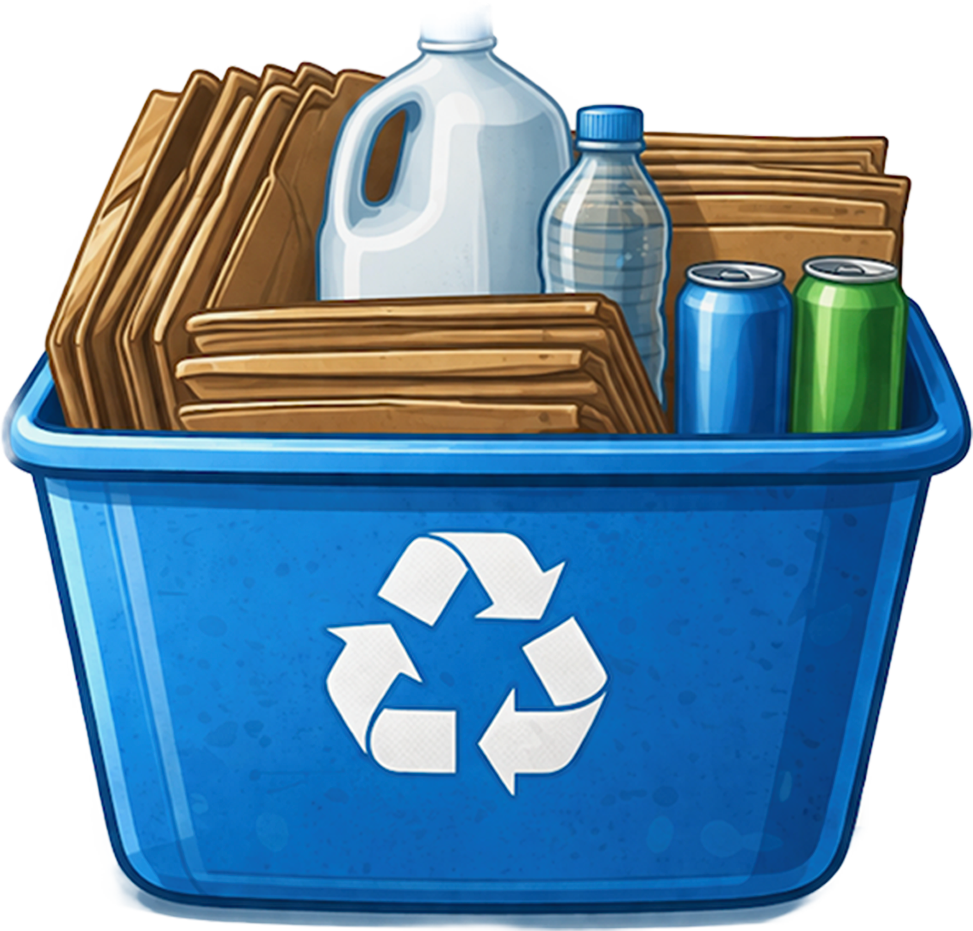
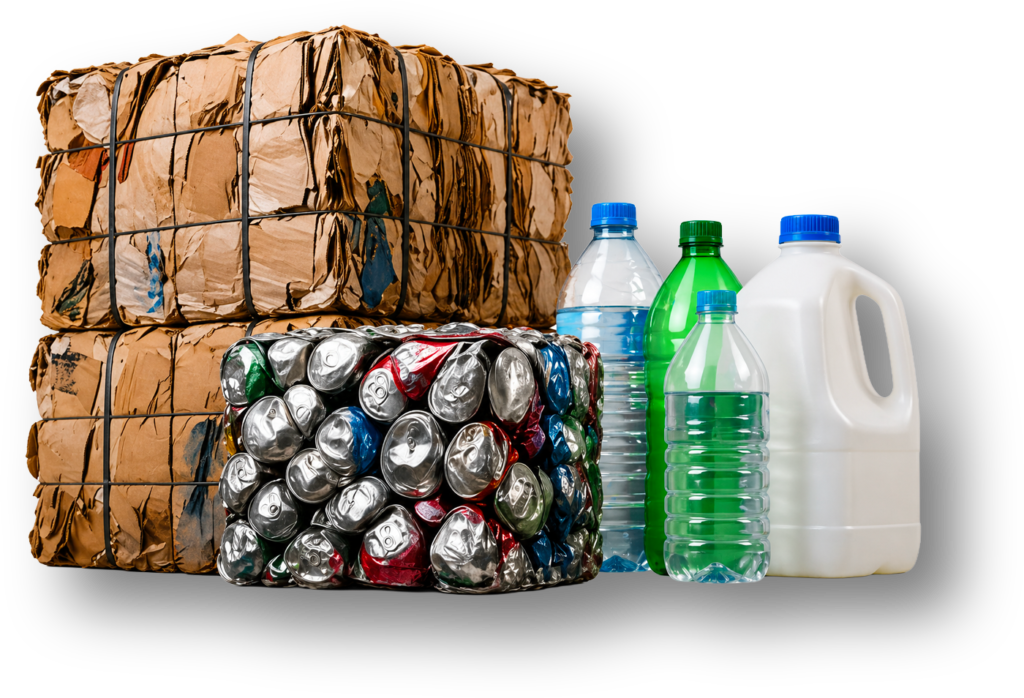
When the right materials—paper, cardboard, cans, and plastics #1 and #2—are placed in the bin loose, clean, and dry, they are collected, sorted, and sold to manufacturers to be made into new products, often right here in the western U.S. But when those same materials are bagged, contaminated, or mixed with the wrong items, they can be rejected and sent to the landfill. So when you hear “it all just goes to the landfill,” that’s only true when the system is used the wrong way.
“The truth is: Some good recyclable do go to the landfill. If there is no market for them or they get damaged.
For example if the cardboard bales get rain and get soaked then they are sent to the landfill.”
Where Does the Recycling Materials End Up Going?
Once we collect the recyclable materials, we take them to the MRF—short for
Material Recovery Facility.
Rocky Mountain Recycling is our MRF partner. That’s where materials are sorted, baled, and shipped to manufacturers to be made into new products. But here’s the truth: what happens next depends on what’s in the load. Clean, accepted materials move through the system and get recycled. Contaminated or incorrect items can be rejected and sent to the landfill. It’s better to show you than tell you—check out these videos to see how an MRF actually works.
• ACE delivers recyclables to Rocky Mountain Recycling
• Materials are sorted, baled, and prepared for market
• Clean, accepted items get recycled
• Contamination can lead to landfill disposal
“The truth is simple: the system works—when
the right materials go in.”
I’ve Heard Recycling is Worse for the Environment Due to the Carbon Footprint Created to Transport It.
No—recycling isn’t worse for the environment, but it depends on how it’s done.
You may have heard that recycling creates a larger carbon footprint because materials have to be transported and processed—and there’s some truth to that. But in most cases, recycling uses significantly less energy than making products from raw materials. For example, recycling aluminum saves up to 95% of the energy required to produce it from ore, and paper and plastics also require less energy when recycled properly. Here in Utah, much of the material is processed regionally, which helps reduce transportation impacts. The bottom line: recycling isn’t perfect, but when done right, it’s almost always better than starting from scratch.
• Recycling uses less energy than making products from raw materials
• Aluminum recycling can save up to 95% of energy
• Regional processing helps reduce transportation impact
• Recycling works best when done correctly
“The truth is simple: recycling isn’t perfect—but it’s still better than starting from new materials.”
Is it Really Cheaper To Just Dump Recyclables at the Landfill? I Thought They Were Worth Money?
Sometimes, yes—it can be cheaper. And that’s the truth.
• Recyclables have value—but it fluctuates
• Recycling requires labor, equipment, and processing
• Strong markets help offset costs
• Contamination and low markets can make recycling more expensive
Recyclable materials do have value—but that value changes with the market, and it’s not always enough to cover the cost of collecting, sorting, and processing them. Recycling requires trucks, labor, equipment, and facilities like the MRF, and all of that costs money. When markets are strong, materials like cardboard and metals can offset those costs. But when markets drop, or when loads are contaminated, the cost to recycle can exceed the value of the material. That’s when recycling can actually be more expensive than sending it to the landfill. The truth is, recycling isn’t just about making money—it’s about making the system work efficiently with the right materials.
“The truth is simple: recyclables only have value when the system works—and when the materials are right.”
"Why Can't I Put Glass in My Recycling Container? Does That Mean I Shouldn't Recycle Glass?
Glass is 100% recyclable—but it doesn’t belong in your curbside recycling.
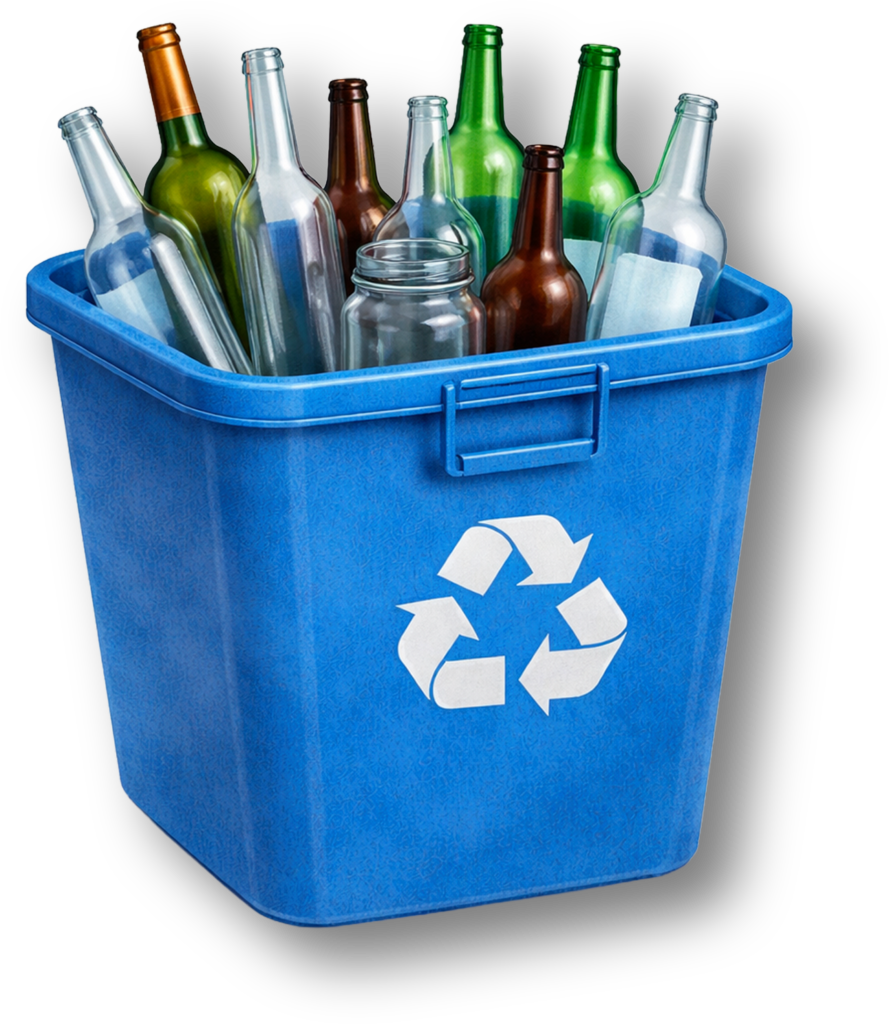
Glass is absolutely recyclable—and it should be recycled. But it doesn’t work well in curbside recycling systems like ours. When glass goes into the blue can, it breaks during collection and processing, contaminates other materials, and can damage equipment at the MRF. That reduces the value of everything else in the load. Here in Utah, glass is handled differently. It’s collected separately and taken to specialized facilities like Momentum Recycling, where it’s turned into new products like fiberglass—often right here in the state. So no, you shouldn’t throw glass away—but you should recycle it the right way by taking it to a designated glass drop-off location.
• Glass is 100% recyclable
• It breaks and contaminates curbside recycling
• It can damage sorting equipment
• Best recycled through local drop-off programs
Call 801-355-0334 or go to
utah.momentumrecycling.com
“The truth is simple: glass should be recycled—just not in your in your ACE Curbside Recycling Container.”
If I Decide To Curbside Recycling Then What is Acceptable & What is NOT Acceptable?
If you choose to recycle, keep it simple—only the materials that work.
If you decide to curbside recycle, the key is to focus on what actually works in the system. In Utah, that comes down to just four materials: paper, cardboard, metal cans, and plastics #1 and #2. These are the items that have real value and can be sorted, processed, and made into new products. Everything else—no matter what the recycling symbol says—can cause problems, contaminate the load, and reduce the effectiveness of the entire system. The goal isn’t to recycle more—it’s to recycle right. Below is what is Acceptable and what is Not Acceptable in the ACE Curbside Mixed Recycling Stream.
ACCEPTABLE
“Paper, Cardboard, Cans, and
Plastic Bottles & Jugs.”
Paper
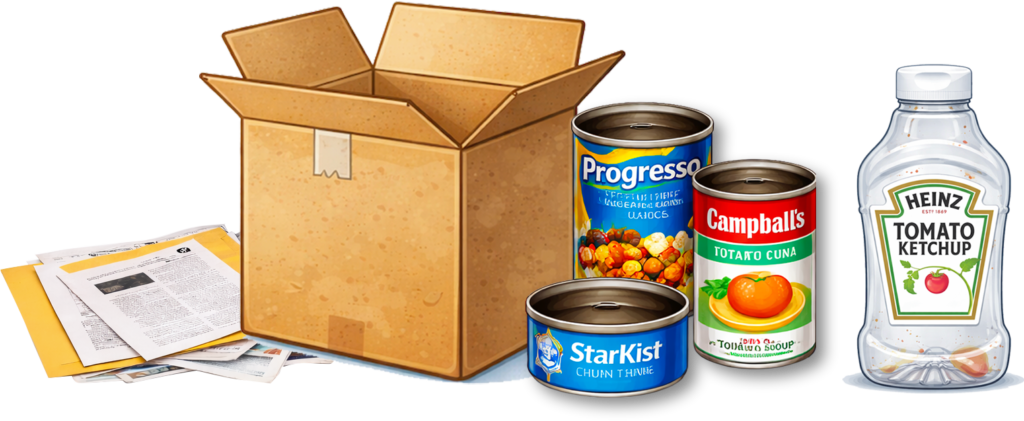
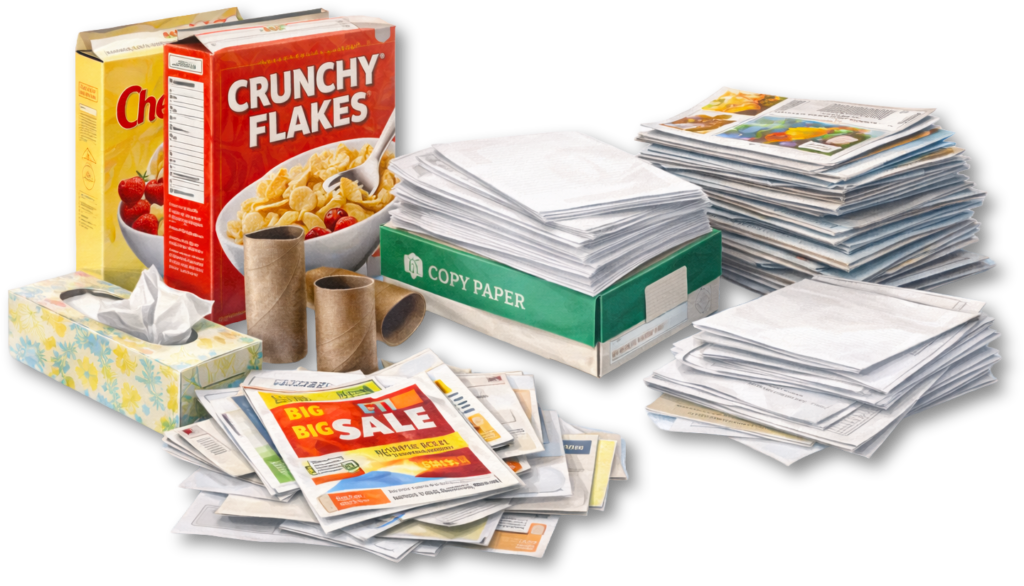
Mail, Newspaper, Magazines, Copy Paper, Paperboard Packaging.
Cardboard
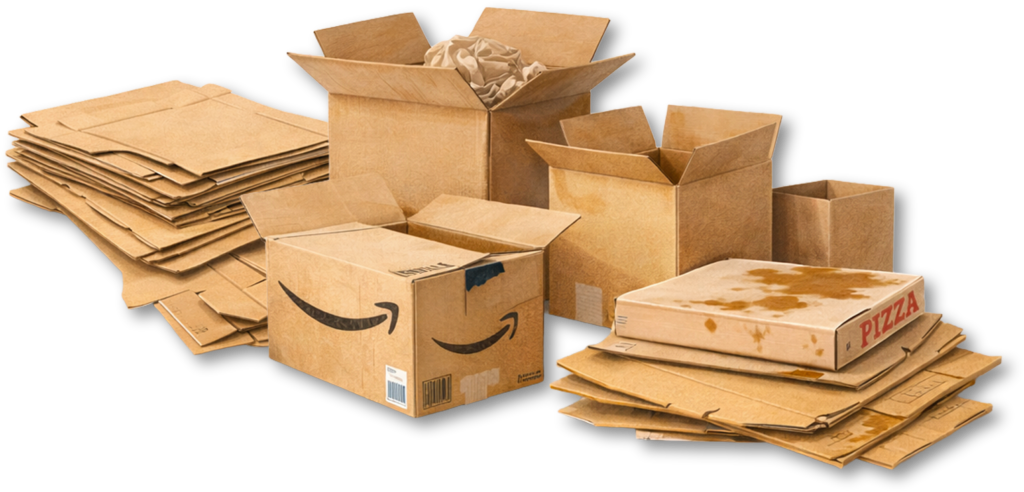
Clean, Dry, Flat Cardboard. Including Pizza Boxes with small amount of grease.
Cans
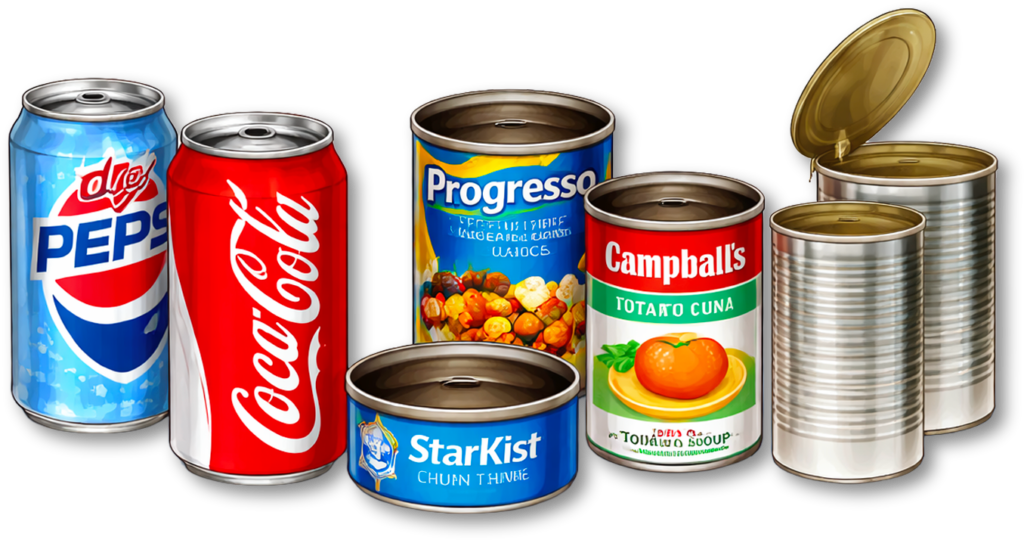
All Metal Food & Beverage Cans. Empty. Rinse. Dry.
Plastic
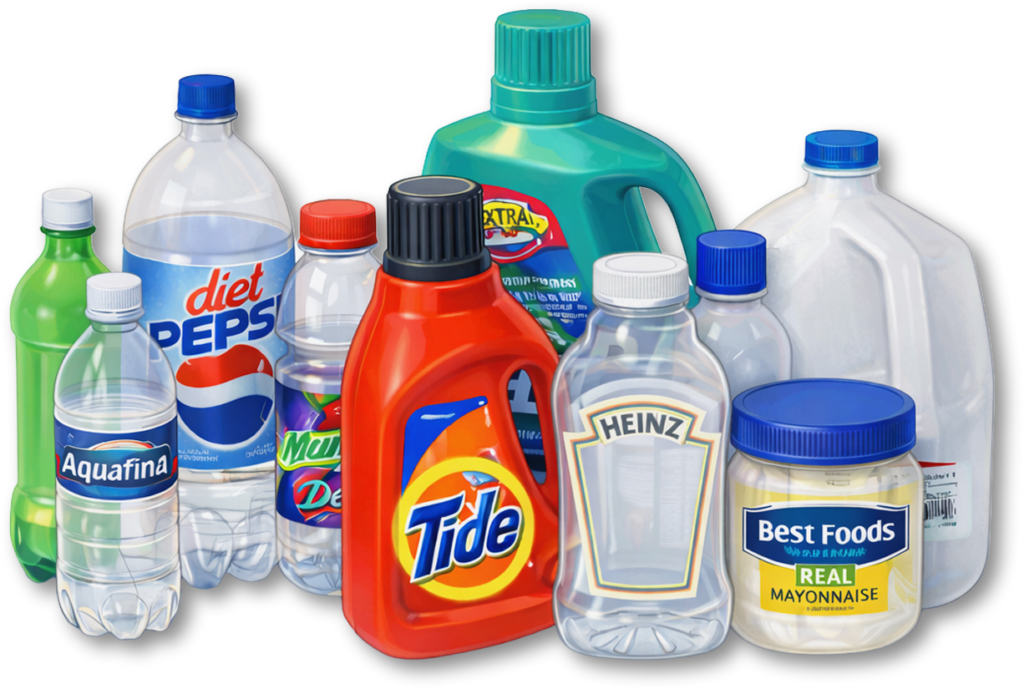
#1 & #2, Water Bottles, Milk & Detergent Jugs, Condiment Bottles Empty. Rinse. Dry.
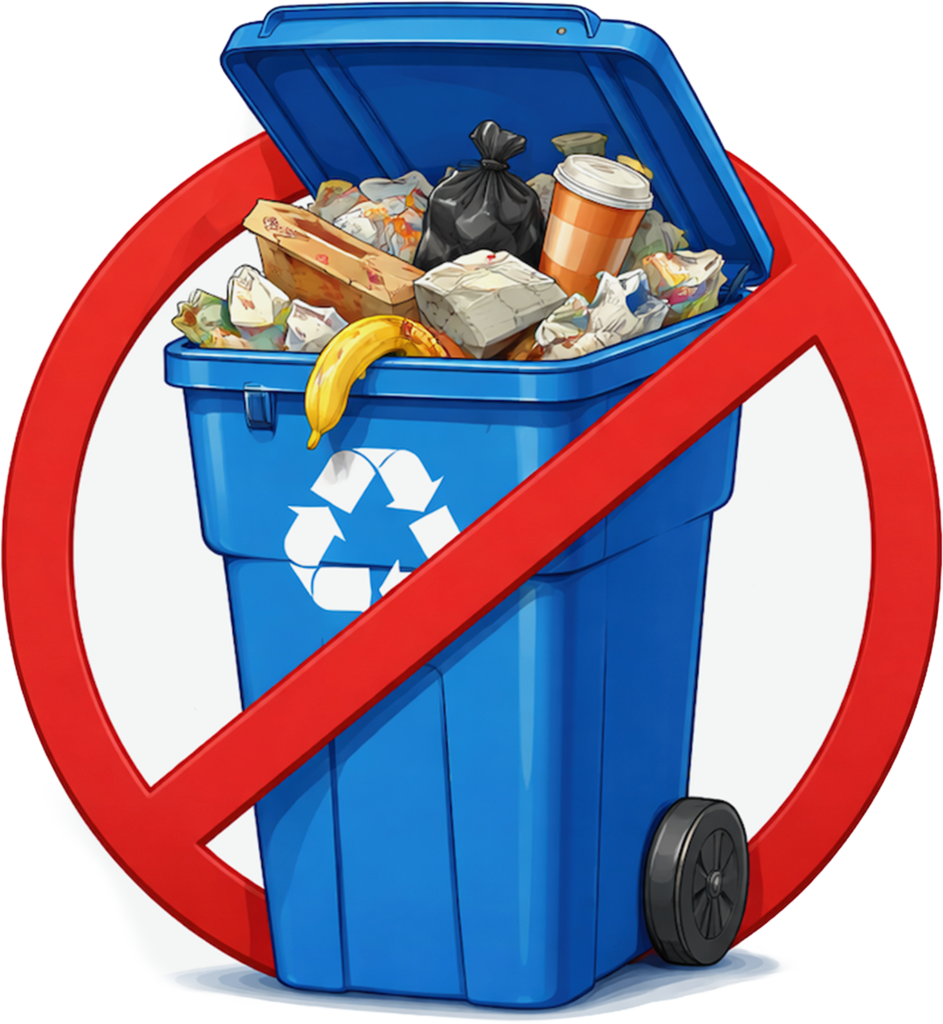
NOT ACCEPTABLE
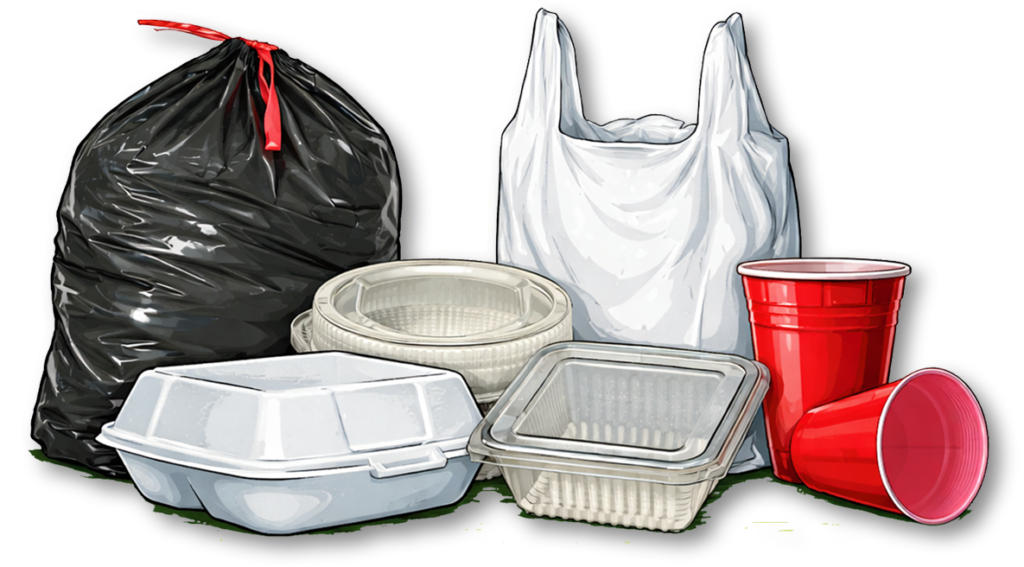
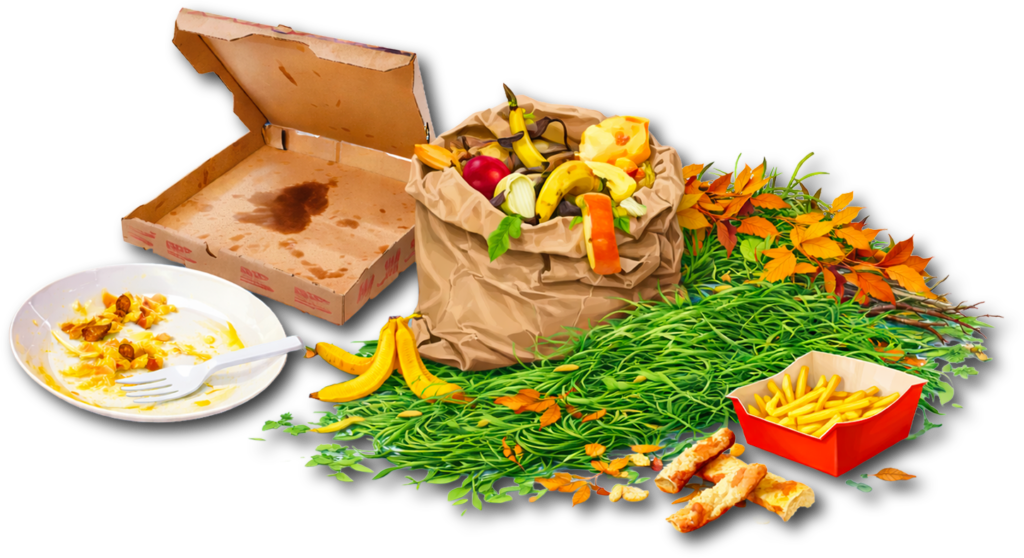
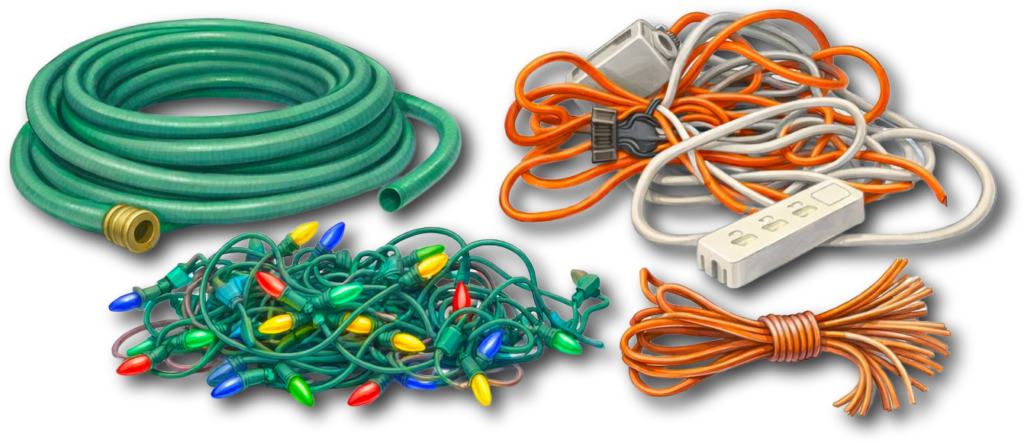
“Coated Coated, Plastic Bag or Styrofoam, Food Waste, or Tanglers”
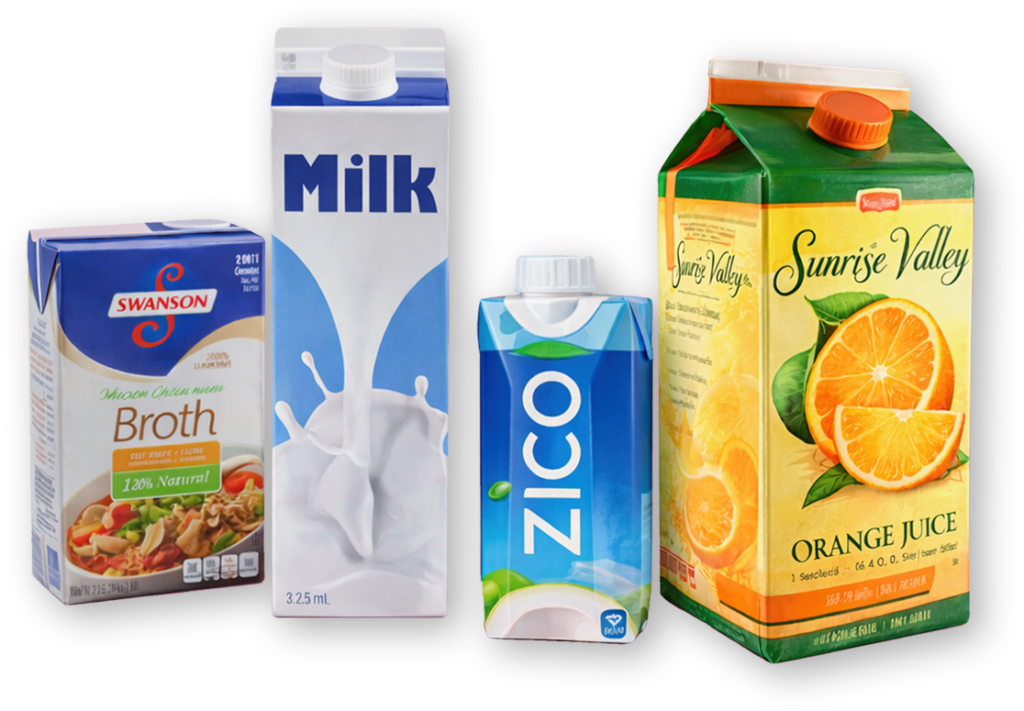
NO Coated Paper Containers
Including Coated Milk Carton, Juice Drinks or
NO Plastic Bags or Styrofoam
Including Solo Cups, Clam Shell Containers or Single Use Plastic Bags
NO Food or Yard Waste
Including Leaves, Grass Clippings or Fast Food Packaging
NO Tanglers
Including Hoses, Cords, Ropes, or Wires
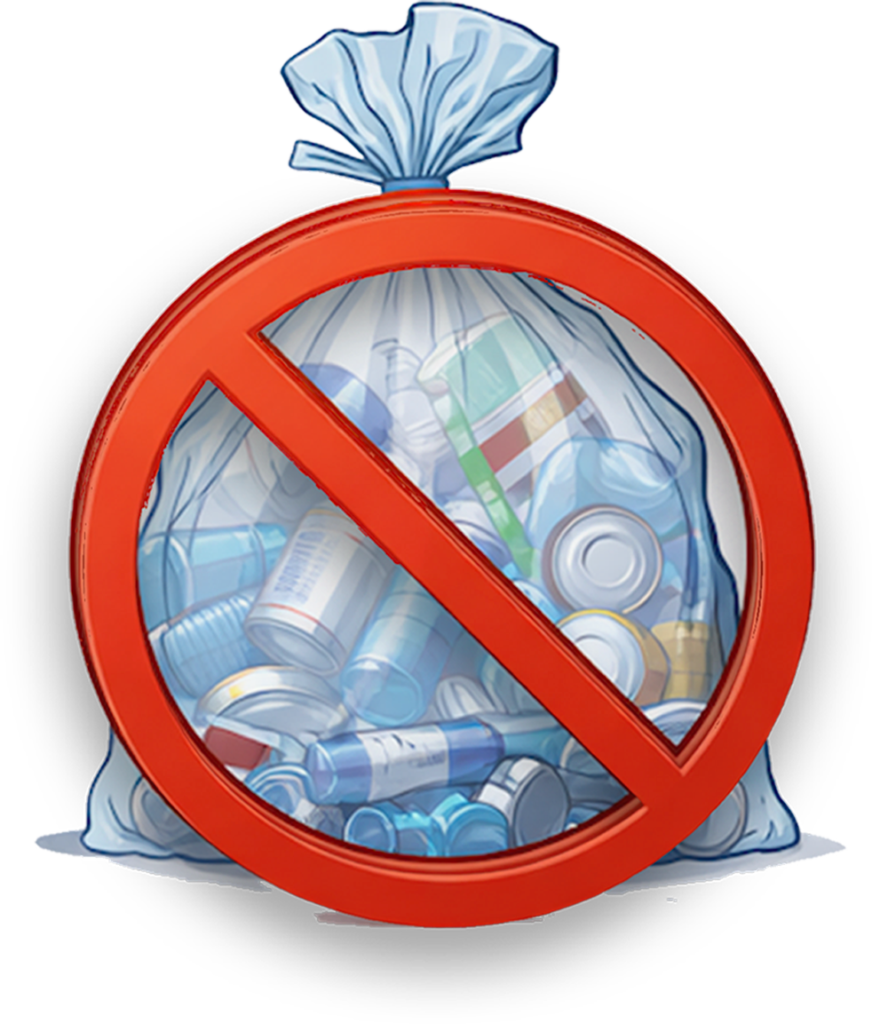
Do I Bag My Recyclables or Not?
No—never bag your recyclables.
Recyclables should always be placed loose in your curbside container—never in plastic bags. Bags don’t get opened at the recycling facility, which means everything inside them is treated as trash and sent to the landfill. Plastic bags also get caught in sorting equipment, causing shutdowns and safety hazards for workers. Even if everything inside the bag is recyclable, bagging it prevents it from being processed. The system is designed to sort loose materials—so if you want your recycling to count, keep it out of the bag.
• Never bag your recyclables
• Bagged items are treated as trash
• Plastic bags damage sorting equipment
• Recycling must be loose to be processed
Need help?
Call ACE at 800-724-9995.
What Do You Mean When You Say I Need To Do Curbside Recycling the Right Way?
“Empty, Rinse, Dry, and Your Recycling Bin is NOT a Trash Can.”
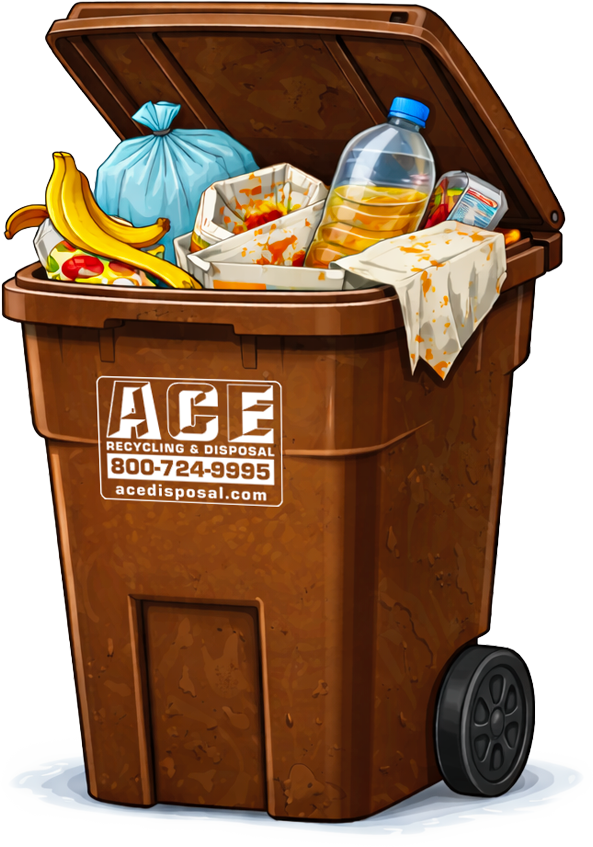
Recycling the right way starts with understanding one simple truth: your curbside recycling container is not a trash can. The materials placed inside must be empty, rinsed, and dry—free of food, liquid, and contamination. Items like food waste, plastic bags, dirty containers, broken items, and random trash do not belong in the recycling bin. When trash gets mixed in with recyclables, it contaminates the load and can send valuable material straight to the landfill. We know recycling can be confusing, so keep it simple—focus on following these ACE Curbside Recycling Rules.
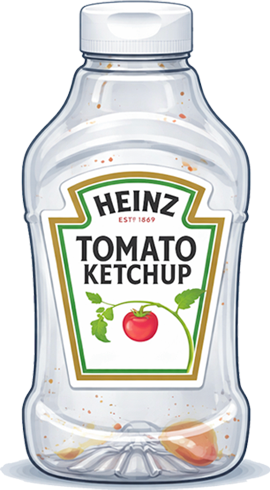
EMPTY: No full, half-full, or partially full bottles or jugs of any kind.
RINSE: No food left inside. A quick rinse is enough.
DRY: No liquids of any kind. No dripping residue. No soaked paper or cardboard.
This is ACCEPTABLE and considered EMPTY, Clean and Dry. Some Residue is Acceptable. You DO NOT have to remove the labels.
“When In Doubt Put It In Your Trash Can!”
“Your Recycling Bin is Only for
Acceptable Recyclables.”
Have Questions?
Call ACE at 800-724-9995.
What About Items That Are Recyclable—But Not in My ACE Curbside Mixed Recycling?
Just because something is recyclable doesn’t mean it belongs in your recycling container.
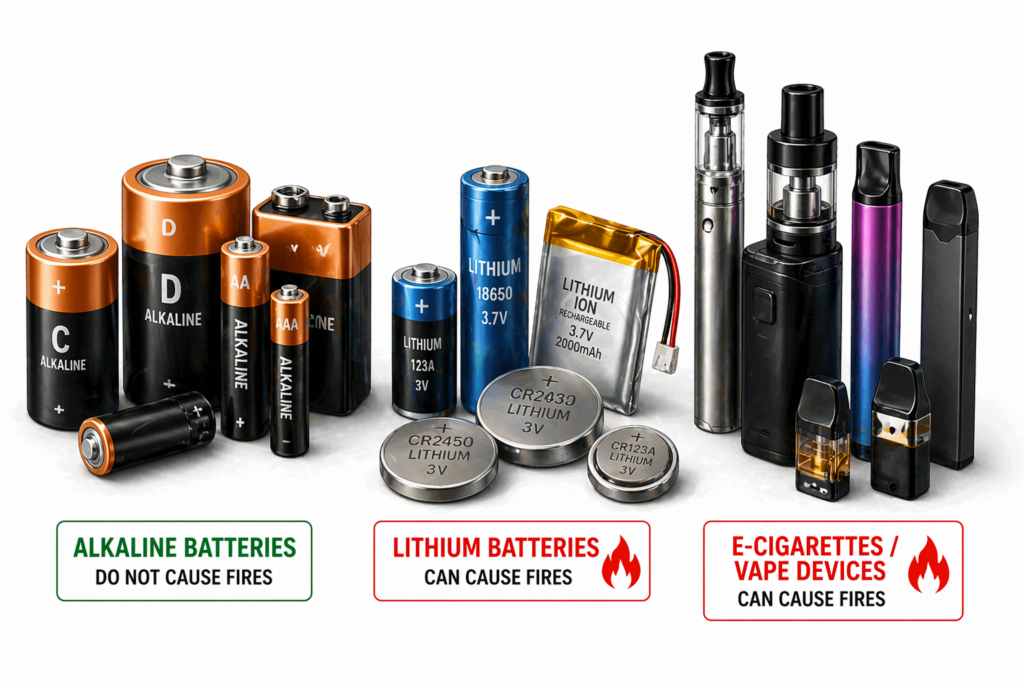
Many items can be recycled—but that doesn’t mean they belong in your curbside recycling container. Materials such as batteries, electronics, plastic bags, and glass require specialized systems for safe, proper handling. For example, batteries—especially lithium-ion—can cause fires if thrown in the trash or recycling. That’s why programs like Call2Recycle (The Battery Network) exist, with thousands of drop-off locations across North America, including retailers like Home Depot and Staples. In Utah, every county also offers local drop-off or Household Hazardous Waste (HHW) locations—often free of charge. Curbside recycling is designed to stay simple and efficient by focusing on just four materials: paper, cardboard, cans, and plastics #1 and #2. The key is to match the material with the right system—curbside for the basics, and trusted drop-off programs for everything else.
• Not all recyclable items belong in curbside recycling
• Batteries and electronics require special handling
• Improper disposal can cause fires and safety risks
• Free local drop-off and HHW locations are available throughout Utah
Call2Recycle.org, Also known as the Battery Network
Lithium batteries and e-cigarettes can start fires in trucks and the recycling facilities. Do NOT place them in your trash or recycling container. Instead, take them to: Home Depot, Lowe’s, Best Buy or Local Household Hazardous Waste (HHW) facilities.
You don’t have to participate in curbside recycling—but if you do, do it right.

